


EVA Fishing Boots: What Anglers Need to Know
Fishing often involves long hours spent standing on wet docks, slippery riverbanks, or uneven boat decks. The right footwear can make the difference between a successful, comfortable day and sore feet or missed opportunities. EVA fishing boots have become increasingly popular among anglers and outdoor enthusiasts who want a lightweight, waterproof, and comfortable alternative to traditional rubber boots. This article answers the most common questions people ask when considering EVA fishing boots.
1. What Makes EVA Fishing Boots Different?
EVA stands for Ethylene Vinyl Acetate, a foam-like material that is both lightweight and flexible. Unlike traditional rubber or PVC boots, EVA boots are usually molded as a single piece, creating a seamless and fully waterproof shell. This construction means fewer seams where water can seep in and a much lighter boot overall, which helps reduce fatigue during long fishing sessions.
The unique properties of EVA — including flexibility and shock absorption — make these boots comfortable to wear on hard surfaces and during extended periods of standing or walking. The material also tends to handle exposure to cold and wet environments well, maintaining flexibility even in lower temperatures.
2. Are EVA Fishing Boots Warm and Comfortable?
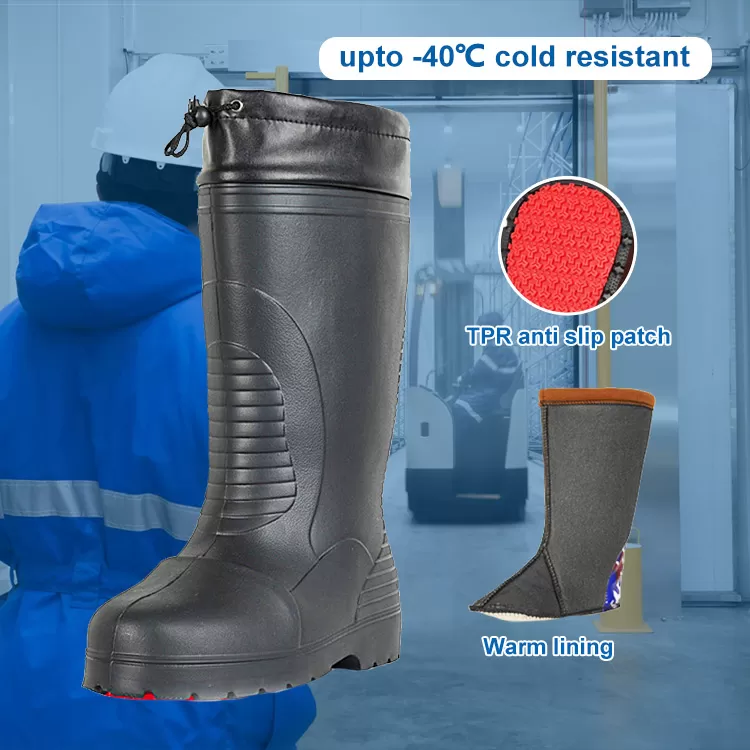
Anglers often fish in conditions ranging from cool mornings to icy waters. EVA fishing boots are naturally insulating due to the air pockets within the foam structure. Many designs also incorporate removable liners made of plush, felt, or thermal materials that add warmth and allow anglers to adjust insulation based on weather conditions.
Comfort is another strong point of EVA boots. The cushioned sole reduces pressure on feet, knees, and joints, which is especially appreciated during long days on the water. The lightweight nature of EVA also contributes to overall comfort, as heavy boots can cause fatigue during extended wear.
3. How Good is the Traction on Wet or Slippery Surfaces?
Fishing environments are often wet and slippery — whether on slick boat decks, river rocks, or muddy shores. High-quality EVA fishing boots address this with deep-tread or textured outsoles that enhance grip and traction. Many models pair EVA with rubber or thermoplastic soles to further improve slip resistance.
Good traction not only prevents falls but also boosts confidence when navigating tricky surfaces. When choosing boots, look for patterns and materials designed for maximum surface contact and non-slip performance.
4. Are EVA Fishing Boots Durable?
Durability is a key consideration for any outdoor footwear. EVA fishing boots tend to hold up well against water exposure and remain flexible in cold conditions. Although EVA foam is lighter and softer than traditional rubber, it still resists abrasion and cracking under normal use.
That said, durability depends on the quality of the boot and how it’s used. Boots exposed to sharp rocks, extended hiking, or rough surfaces may wear faster than those used primarily on boat decks or gentle shorelines. Proper care — cleaning after use and storing away from extreme heat or sharp objects — can extend a boot’s lifespan.
5. How Should You Choose the Right Size and Fit?
Fit is critical for comfort and performance. EVA fishing boots should feel snug without being too tight, and allow for the use of thicker socks if needed. Since EVA is flexible, a slightly close fit often works well, but ensure there’s enough room to avoid pressure points or restricted circulation.
Trying boots on with the socks you plan to wear while fishing is a good practice. Look for boots with adjustable liners or removable insoles to help tailor the fit further. Proper sizing reduces the risk of blisters, discomfort, and fatigue during long days outdoors.
Conclusion
EVA fishing safety boots offer a compelling combination of lightweight comfort, waterproof protection, and thermal insulation. Their seamless design and cushioned comfort make them a worthy choice for anglers and outdoor enthusiasts who spend long hours on their feet in wet environments. While traction, durability, and proper fit should all be considered when choosing a pair, EVA boots remain a practical and comfortable option for many fishing situations.
Whether you’re trudging along riverbanks, standing on a dock, or working on deck, the right pair of EVA fishing boots can make the experience more enjoyable and comfortable — keeping your feet dry, warm, and ready for the next catch.